It’s no secret that our surroundings affect how we feel. Walk into a clean, bright room and your shoulders naturally relax. Step into a cluttered one, and you might notice your thoughts start to race. The connection between mental health and our physical environment runs deep – and understanding it can help us regain a sense of peace right where we are.
Your Space, Your State of Mind
Our homes tell a story – not just about our style or habits, but about our current season of life. When life feels overwhelming, our spaces often mirror that chaos. Laundry piles up, countertops get crowded, and the smallest tasks start to feel monumental. It’s not laziness; it’s a signal.
Clutter has a way of keeping us mentally “on” all the time. Every item that’s out of place represents an unfinished task, quietly reminding us of what we haven’t done. Over time, that background noise of “to-dos” can increase anxiety, stress, and even impact sleep.
The Science Behind the Stress
Studies have shown that physical clutter can increase cortisol – the body’s main stress hormone. This means the visual noise in your home can physically keep your body in a state of tension. On the flip side, creating order helps lower stress levels, improve focus, and even boost productivity.
When we take small, consistent steps to organize our spaces, we’re doing more than tidying up — we’re caring for our minds.
Small Shifts, Big Impact
The good news? You don’t need to tackle your entire home at once. In fact, starting small often creates the biggest lasting change. Begin with a space you see every day – maybe your kitchen counter or nightstand. Clear it completely, wipe it down, and put back only what serves you.
Notice how your mind feels afterward. The clarity you see around you tends to echo inside you, too.
Grace Over Perfection
At Organize With Lia, we remind clients often: organization isn’t about perfection – it’s about peace. Life gets busy. Homes get messy. And that’s okay. The goal isn’t to never have clutter again; it’s to build systems that make getting back to calm easier each time.
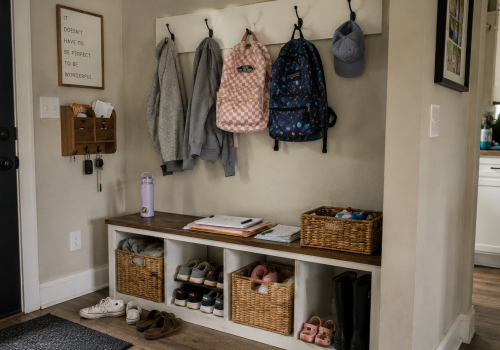
Whether it’s creating labeled zones for your kids’ schoolwork, setting up a simplified pantry, or reworking a closet to match your morning routine, every small effort is an act of self-care.
The Takeaway
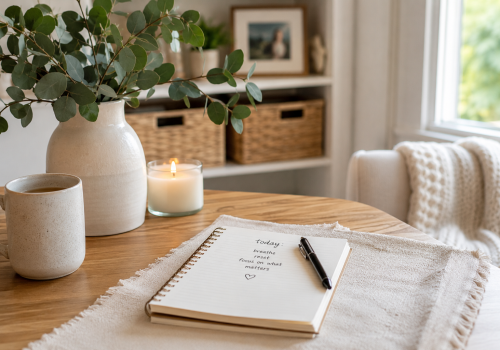
Your home doesn’t need to be picture-perfect to support your mental health. It just needs to function for you. When your space feels aligned with your lifestyle, your mind naturally follows.
Maybe it’s time to look around and ask yourself: “What’s one small area I can bring peace to today?” Because when you create calm in your home, you create calm in your life.