When kids get out of school, the rhythm of the home changes overnight.
Backpacks land in random places. Snacks multiply. Sleep schedules shift. The house somehow gets messy faster – even when nobody feels like they’re doing anything.
And while summer can bring a lot of fun memories, it can also quietly create stress for the entire family when there’s no structure in place.
The good news?
Your home does not have to be perfect to feel peaceful.
A few simple systems can make summer feel lighter, calmer, and more manageable for everyone – including you.
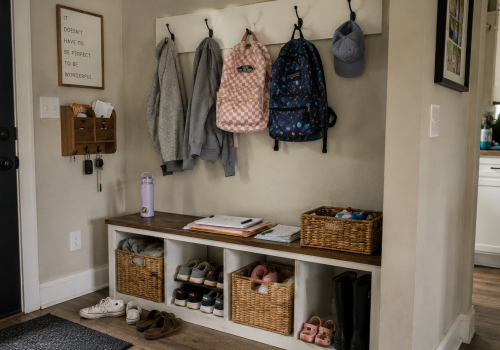
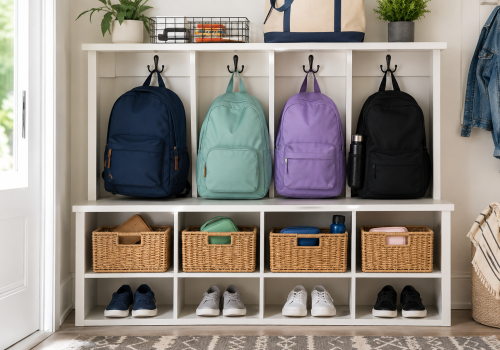
1. Create a “Summer Drop Zone”
During the school year, routines naturally create structure. Summer removes a lot of that.
Designate ONE area for:
- Shoes
- Towels
- Water bottles
- Sunscreen
- Pool items
- Library books
- Sports gear
Even a few labeled baskets or hooks can prevent the “stuff explosion” that tends to happen by week two of summer break.
The goal isn’t perfection. It’s reducing daily chaos.
2. Don’t Let Snacks Take Over Your Kitchen
One of the biggest summer stressors for parents?
The kitchen somehow becoming a full-time restaurant.
Try this:
- Create a kid snack bin in the pantry
- Use clear bins in the fridge for grab-and-go items
- Pre-portion snacks once per week
- Keep water bottles in one easy-to-reach location
When kids can independently grab what they need, it reduces decision fatigue for parents all day long.
3. Keep a Loose Daily Rhythm
Kids thrive on predictability – even during summer.
That doesn’t mean you need a strict schedule. But having a loose flow to the day helps regulate everyone’s stress levels.
Simple rhythms might include:
- Quiet morning time
- Outside time before screens
- Afternoon reset/cleanup
- Evening family reset before bed
Homes tend to function better when everyone generally knows what comes next.
4. Build in a 10-Minute Evening Reset
This one small habit can completely change how your home feels.
Before bed each night:
- Toss trash
- Reset counters
- Return items to baskets
- Run dishwasher
- Prep for tomorrow
Getting the house “back to baseline” each evening helps mornings feel dramatically less overwhelming.
And mentally, waking up to a calmer environment matters more than most people realize.
5. Remember: Clutter Affects Mental Load
A messy home doesn’t make someone lazy.
It often means life is simply full.
But visual clutter does impact mental load for both adults and children.
When homes feel constantly chaotic, families may notice:
- Increased irritability
- Difficulty focusing
- Feeling overstimulated
- Trouble relaxing
- More arguments and tension
- Feeling mentally exhausted before the day even begins
Creating functional systems isn’t just about appearance.
It’s about helping the home support the people living inside it.
6. Get Kids Involved (Without Overcomplicating It)
Children are much more likely to maintain systems that are simple and accessible.
A few practical ideas:
- Lower hooks for backpacks/towels
- Picture labels for younger kids
- Open bins instead of complicated containers
- One basket per child for “random belongings”
The easier the system is, the more likely it’ll actually get used.
7. Give Yourself Permission to Simplify
Summer does not have to look Pinterest-perfect.
Paper plates during busy weeks? Fine.
Fewer activities? Fine.
A donation box permanently sitting in the laundry room? Also fine.
Sometimes the healthiest thing for a family is simply reducing the amount of overwhelm everyone is carrying.
Function over perfection – always.
At the end of the day, organized homes aren’t about creating magazine-worthy spaces. They’re about creating homes that feel easier to live in.
And during summer break, that can make a huge difference for the entire family’s mental health.
✨ Need help creating systems that actually work for your family this summer?
Our team helps families throughout Birmingham and Huntsville create realistic, maintainable organization systems designed for real life.
📍 Birmingham & Huntsville, Alabama
🌿 Organize With Lia